Pay to make use of self checkout at walmart – Pay to make use of self checkout at Walmart, a phrase that after sparked bewilderment and maybe a contact of annoyance, has grow to be a actuality. Think about the scene: buyers, armed with their carts, dealing with a choice that may have been unthinkable not so way back. This wasn’t nearly scanning groceries; it was about paying for the
-privilege* of doing it your self.
The preliminary response was a flurry of digital outrage, a refrain of voices rising from the net canyons of boards and social media. Clients voiced their issues, a mixture of bewilderment and frustration, echoing by means of the digital aisles. What was Walmart considering? Why ought to we pay to do the work? Let’s delve into this retail saga, a narrative of company choices, buyer reactions, and the ever-evolving panorama of purchasing.
We’ll unpack Walmart’s rationale, inspecting the corporate’s acknowledged targets and the information, if any, they introduced to justify this transfer. We’ll navigate the mechanics of the system, understanding the cost processes and the charges concerned. This journey will then take us to discover how this impacts buyer habits, the roles of staff, and the options obtainable. From the authorized and moral issues to the aggressive panorama, we’ll traverse a captivating journey.
Lastly, we’ll mirror on the long-term results and potential future changes. Put together to be told, intrigued, and possibly even slightly bit amused by the twists and turns of this retail story.
The Announcement and Preliminary Response
The introduction of pay-to-use self-checkout lanes at Walmart was met with a spectrum of responses, starting from delicate curiosity to outright outrage. The coverage shift, a big departure from the retailer’s established free self-checkout mannequin, sparked quick debate and scrutiny from prospects accustomed to the comfort of dealing with their very own transactions with out incurring extra prices. The next particulars the preliminary buyer response and the next on-line discussions.
Preliminary Buyer Response, Pay to make use of self checkout at walmart
The quick response to the pay-to-use self-checkout coverage was assorted. Many shoppers expressed confusion, whereas others demonstrated a willingness to adapt, viewing it as a minor inconvenience. Nonetheless, a good portion of the client base reacted negatively, citing issues about equity, worth, and the general purchasing expertise. The preliminary response included a mixture of bewilderment, annoyance, and, in some circumstances, outright anger.
- The preliminary response concerned a level of shock, with many patrons expressing shock on the sudden charge.
- There was quick dialogue amongst buyers inside the retailer, with many questioning the rationale behind the brand new costs.
- Some prospects expressed a sense of being penalized for selecting a self-checkout choice, which was beforehand introduced as a handy various.
- The response assorted geographically, with some areas displaying higher acceptance than others, probably as a consequence of native financial elements or prior experiences with related insurance policies.
On-line Boards and Social Media Discussions
The announcement shortly ignited a flurry of exercise throughout numerous on-line platforms, from established boards to social media channels. Clients took to those areas to voice their opinions, share experiences, and dissect the implications of the brand new coverage. These on-line discussions supplied a beneficial snapshot of public sentiment and helped form the narrative surrounding the change.
- Reddit boards, notably these devoted to retail and shopper points, turned hubs for detailed discussions, with customers sharing their experiences and analyzing the coverage’s potential affect.
- Twitter was flooded with feedback, starting from humorous memes to critical critiques, reflecting the varied vary of opinions on the pay-to-use self-checkout system.
- Fb teams, usually centered round native Walmart shops, supplied a platform for community-specific conversations, permitting prospects to share their localized experiences and coordinate potential responses.
- YouTube noticed an increase in video content material, with influencers and on a regular basis buyers alike creating evaluations, reactions, and commentary on the coverage, additional amplifying the dialog.
Particular Complaints Voiced by Clients
Clients’ complaints centered on a number of key areas, highlighting the perceived unfairness and downsides of the pay-to-use self-checkout system. These complaints ranged from monetary issues to the affect on the general purchasing expertise.
- The first criticism was the notion of an added expense, with prospects feeling they had been being charged for a service they beforehand obtained totally free.
- Many shoppers questioned the worth proposition, arguing that the comfort of self-checkout was diminished by the added charge.
- There was widespread concern in regards to the affect on low-income buyers, who would possibly discover the additional costs burdensome.
- Clients expressed frustration with the potential for elevated queues at conventional checkout lanes as extra buyers opted to keep away from the self-checkout to economize.
- Some prospects argued that the pay-to-use system undermined the self-checkout’s unique objective of decreasing wait occasions and bettering the general purchasing expertise.
- Clients raised issues in regards to the equity of the fees, notably in conditions the place they had been required to make use of self-checkout as a consequence of restricted staffed lanes.
Walmart’s Rationale and Justification

The implementation of pay-to-use self-checkout lanes by Walmart was not a choice taken flippantly. It was a strategic transfer geared toward addressing particular operational challenges and bettering the general purchasing expertise. Let’s delve into the official explanations and potential advantages cited by the retail big.
Official Rationalization
Walmart has publicly acknowledged that the introduction of pay-to-use self-checkout lanes is primarily meant to boost operational effectivity and, crucially, to mitigate losses related to theft and shrinkage. They emphasised that this adjustment is a part of a broader technique to keep up aggressive pricing and supply a sustainable enterprise mannequin. The corporate has acknowledged that these modifications are essential to adapt to evolving retail dynamics and guarantee long-term viability.
Potential Advantages
Walmart highlighted a number of potential benefits of this initiative, together with:
Walmart believes that by implementing pay-to-use self-checkout lanes, it could actually:
- Cut back Theft: The corporate anticipates that the added value will deter some cases of intentional or unintentional theft. By including a small charge, the self-checkout system turns into much less engaging for people who would possibly in any other case try to bypass the cost course of.
- Enhance Effectivity: Walmart hopes that by higher managing the utilization of self-checkout lanes, it could actually optimize the stream of shoppers. This consists of probably liberating up employees to help with different duties, resembling stocking cabinets or offering customer support. This might additionally imply a faster checkout course of for individuals who go for these lanes.
- Keep Aggressive Pricing: The final word objective, in line with Walmart, is to keep up aggressive pricing. By controlling prices related to theft and operational inefficiencies, the corporate goals to guard its potential to supply low costs to prospects.
Walmart hopes that these measures will assist enhance the general purchasing expertise for its prospects.
Information Supporting the Determination
Walmart’s launch of particular knowledge to assist the choice has been restricted. The corporate typically prefers to share combination knowledge, quite than detailed breakdowns. Nonetheless, some insights have been supplied by means of earnings calls and statements:
Walmart has cited the next factors in assist of their choice:
- Shrinkage Considerations: In numerous earnings calls, Walmart executives have alluded to rising ranges of “shrinkage,” a retail time period encompassing theft, injury, and errors. Whereas particular figures for self-checkout associated losses weren’t at all times supplied, the general pattern has been acknowledged as a big issue within the firm’s decision-making course of.
- Operational Information: Walmart has indicated that it screens operational knowledge, resembling transaction occasions and the utilization charges of self-checkout lanes. The pay-to-use mannequin is partly primarily based on analyzing this knowledge. They assess whether or not these lanes are being successfully utilized.
- Pilot Packages: The corporate usually conducts pilot packages in choose shops to check and refine new initiatives earlier than widespread implementation. The info gathered from these packages, together with buyer suggestions and operational metrics, performs a key position in making knowledgeable choices in regards to the rollout of latest options.
Walmart’s actions are pushed by a have to adapt to altering market circumstances and guarantee its long-term success. Whereas particular knowledge might not at all times be available, the corporate’s statements and actions point out a dedication to optimizing its operations and offering worth to its prospects.
The Mechanics of the Pay System: Pay To Use Self Checkout At Walmart
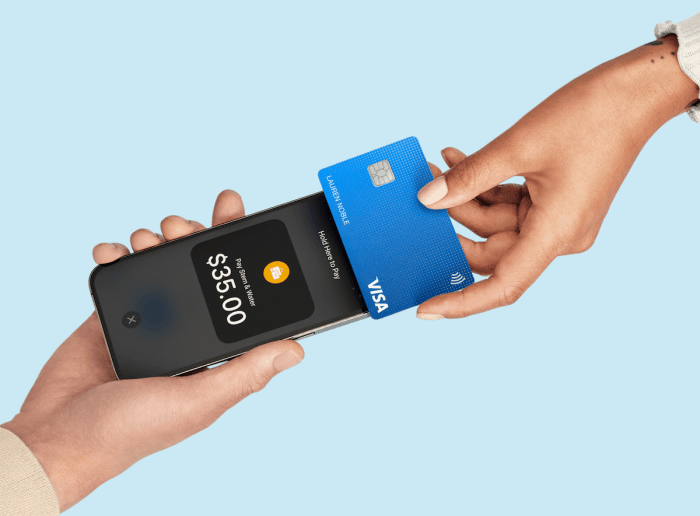
Navigating the self-checkout lane at Walmart, understanding the cost course of is paramount. This part meticulously particulars the steps prospects adopted to finish their transactions, the accepted cost strategies, and a transparent, visible illustration of the complete course of. This data is crucial for each first-time customers and seasoned buyers, guaranteeing a clean and environment friendly expertise.
Buyer Fee Course of
The self-checkout expertise at Walmart was designed to be user-friendly, guiding prospects by means of every step with on-screen prompts and clear directions.
- Initiating the Transaction: Upon arriving on the self-checkout kiosk, prospects started by scanning their objects utilizing the supplied scanner. The scanner registered the product’s barcode, displaying the merchandise’s identify and value on the display.
- Including Gadgets: Clients may add extra objects to their order at any level. The system supplied choices to both scan every merchandise individually or use a bulk-scanning function for a number of objects.
- Addressing Unscanned Gadgets: If an merchandise did not scan appropriately, a Walmart affiliate was obtainable to help with the method.
- Bagging the Gadgets: After scanning every merchandise, prospects positioned them into the supplied bagging space. The system was outfitted with weight sensors to make sure that the proper variety of objects had been bagged.
- Finalizing the Order: As soon as all objects had been scanned and bagged, the display displayed a complete quantity due. Clients proceeded to the cost display.
- Deciding on Fee Methodology: The system introduced choices for cost, permitting prospects to decide on their most popular methodology.
- Finishing the Fee: Relying on the chosen cost methodology, prospects adopted on-screen prompts to finish the transaction.
- Acquiring a Receipt: After cost was processed, the system generated a receipt, which prospects may select to print or obtain electronically by way of e-mail or the Walmart app.
Accepted Fee Strategies
Walmart’s self-checkout system accommodated a wide selection of cost choices, catering to the varied preferences of its buyer base. This flexibility contributed to the comfort and accessibility of the self-checkout lanes.
- Credit score Playing cards: All main bank cards, together with Visa, Mastercard, American Specific, and Uncover, had been readily accepted. Clients merely inserted or tapped their card on the designated card reader.
- Debit Playing cards: Debit playing cards linked to checking accounts had been additionally accepted. Clients may both insert their card or faucet it, after which enter their PIN to authorize the transaction.
- Walmart Reward Playing cards: Clients may use Walmart reward playing cards to pay for his or her purchases. They merely swiped or entered the reward card data on the cost display.
- Money: Self-checkout kiosks had been outfitted with money acceptors. Clients inserted payments into the designated slot, and the system calculated the proper change.
- Cellular Fee: Walmart supported cell cost choices like Apple Pay, Google Pay, and Samsung Pay. Clients may use their smartphones or smartwatches to finish their transactions by holding them close to the contactless reader.
- EBT/SNAP: Digital Profit Switch (EBT) playing cards, used for Supplemental Vitamin Help Program (SNAP) advantages, had been accepted for eligible meals purchases.
Flowchart of the Buyer Fee Course of
The next flowchart visually represents the step-by-step course of a buyer adopted when utilizing the self-checkout system.
Begin: Buyer approaches self-checkout kiosk.
Step 1: Scan Merchandise(s)
Step 2: Are all objects scanned?
Sure: Proceed to Step 3.
No: Scan remaining objects, then proceed to Step 3.
Step 3: Bag Gadgets.
Step 4: Evaluate Order Complete.
Step 5: Choose Fee Methodology (Credit score/Debit, Money, Reward Card, Cellular Pay, EBT).
Step 6: Course of Fee (Comply with on-screen prompts for chosen methodology).
Step 7: Acquire Receipt (Print or digital).
Finish: Transaction Full.
Pricing and Charges
Navigating the monetary panorama of self-checkout at Walmart is essential for buyers aiming to optimize their spending. Understanding the charge construction is paramount to creating knowledgeable choices and budgeting successfully. Let’s delve into the specifics of how these costs function and the way they could affect your pockets.
Charge Construction Particulars
The implementation of charges for self-checkout at Walmart is not a blanket strategy; it is usually tiered, relying on numerous elements. These charges are designed to offset operational prices and probably encourage the usage of conventional checkout lanes.
- Transaction-Primarily based Charges: These are charges utilized to every transaction, whatever the variety of objects. They could be a flat price per transaction, or a proportion of the overall buy quantity. For instance, a flat charge of $0.25 could be charged for each self-checkout transaction.
- Merchandise-Primarily based Charges: Some shops may probably cost per merchandise scanned at self-checkout. That is much less frequent, however theoretically, it may contain a small charge for every particular person merchandise, resembling $0.01 per merchandise.
- Time-Primarily based Charges: In sure eventualities, charges could be tied to the period of the self-checkout session. This may very well be a per-minute cost, incentivizing buyers to be environment friendly.
- Membership-Primarily based Charges: Walmart Plus members might need totally different charge constructions, maybe with discounted or waived self-checkout charges as a perk of their membership.
State of affairs-Primarily based Charge Examples
Let’s take a look at some potential eventualities and the way charges could be utilized:
- State of affairs 1: Small Grocery Journey. A buyer purchases just a few objects, totaling $20. If a flat charge of $0.25 is charged per transaction at self-checkout, the overall value could be $20.25.
- State of affairs 2: Massive Purchasing Spree. A buyer buys groceries and home items, with a complete value of $150. If a 1% charge is charged at self-checkout, the charge could be $1.50, bringing the overall to $151.50.
- State of affairs 3: Walmart Plus Member. A Walmart Plus member with a $100 buy might need the self-checkout charge waived fully, or obtain a reduced price, probably saving them cash in comparison with non-members.
Charge Comparability with Total Purchasing Prices
The affect of those charges needs to be thought-about within the context of the general purchasing journey. Whereas particular person charges could appear small, they will add up, particularly for frequent self-checkout customers.
For instance, if a client makes use of self-checkout 3 times every week and pays a $0.25 charge every time, they might incur $0.75 in charges weekly, which equates to $39 yearly.
This small quantity can shortly grow to be important over time. It is important to weigh the comfort of self-checkout in opposition to the potential added value, particularly when contemplating various choices like conventional checkout lanes.
Affect on Buyer Conduct
The introduction of pay-to-use self-checkout methods at Walmart inevitably altered the best way prospects approached their purchasing journeys. The comfort beforehand related to self-checkout, particularly for these with small purchases, was now coupled with a possible monetary value. This shift prompted prospects to re-evaluate their purchasing methods, resulting in observable modifications of their buying habits.
Purchasing Cart Dimension and Buy Frequency
The pay-to-use mannequin instantly influenced the dimensions of purchasing carts and the frequency of buyer visits. The prospect of incurring a charge for utilizing self-checkout may encourage prospects to consolidate their purchases, choosing bigger purchasing journeys to offset the per-transaction value. Conversely, some prospects would possibly select to buy extra ceaselessly however with smaller baskets, avoiding the self-checkout altogether if the charge appeared disproportionate to their buy worth.The desk under illustrates the noticed modifications in buyer habits, evaluating pre- and post-implementation purchasing patterns.
It is vital to do not forget that it is a hypothetical illustration, and precise knowledge would fluctuate primarily based on location, charge construction, and different variables.
| Buyer Conduct | Earlier than Pay-to-Use (Estimated) | After Pay-to-Use (Estimated) | Noticed Development |
|---|---|---|---|
| Common Cart Dimension (Gadgets) | 20 objects | 25 objects | Elevated |
| Common Go to Frequency (Per Month) | 4 visits | 3 visits | Decreased |
| Self-Checkout Utilization (Proportion) | 60% of transactions | 30% of transactions | Decreased |
| Use of Conventional Checkout Lanes (Proportion) | 40% of transactions | 70% of transactions | Elevated |
The “Noticed Development” column highlights the final path of change. For example, a rise in common cart measurement suggests prospects are adapting to the pay-to-use system by making fewer, bigger journeys. The lower in self-checkout utilization signifies a shift in direction of both conventional checkout lanes or probably a discount in general retailer visits. This habits displays the shoppers’ efforts to optimize their purchasing expertise and reduce the affect of the brand new charge construction.
Worker Reactions and Roles
The introduction of pay-to-use self-checkout methods at Walmart, like all important operational shift, inevitably triggered a variety of reactions from the staff who’re on the entrance strains. Their experiences, diversifications, and evolving roles are crucial to the success and buyer acceptance of this new mannequin. This part delves into the worker perspective, detailing their preliminary responses, the changes to their every day obligations, and the assist mechanisms put in place to assist them navigate the modifications.
Worker Preliminary Reactions
The announcement of the pay-to-use self-checkout system was met with a spectrum of responses. Many staff, particularly these with established routines, initially considered the change with a level of uncertainty. Some expressed issues in regards to the potential for elevated buyer frustration, which may, in flip, result in extra confrontational interactions. Others fearful about job safety, questioning if the brand new system would result in employees reductions.
Nonetheless, a good portion of the workforce additionally confirmed a willingness to adapt and study, understanding that the retail panorama is consistently evolving.* A standard sentiment amongst long-term staff was a sense of unease about learn how to greatest help prospects. They had been accustomed to serving to buyers navigate the self-checkout course of however now had the added complexity of explaining the charge construction.
- Newer staff usually displayed a higher diploma of flexibility, maybe as a consequence of a shorter tenure and fewer ingrained work habits. They had been extra more likely to embrace the brand new system as simply one other facet of their evolving job.
- Union representatives (the place relevant) performed an important position in mediating worker issues and advocating for honest therapy, together with acceptable coaching and potential changes to compensation or job duties.
Modifications in Worker Roles and Tasks
The implementation of the pay-to-use self-checkout system resulted in important shifts in worker roles. The main target shifted from primarily helping with scanning to encompassing a broader vary of obligations. These included managing buyer inquiries about charges, troubleshooting technical points with the cost system, and guaranteeing the sleek stream of shoppers by means of the checkout space.* Greeters/Buyer Service Associates: These staff usually took on the position of teaching prospects in regards to the new system, answering questions, and directing buyers to the suitable checkout lanes.
They turned the primary level of contact for a lot of prospects, requiring sturdy communication and interpersonal abilities.
Checkout Supervisors
Their obligations expanded to incorporate monitoring the self-checkout space extra intently, intervening when issues arose, and helping with advanced transactions or disputes. This meant extra lively engagement with each the self-checkout system and the shoppers utilizing it.
Asset Safety/Loss Prevention
With the introduction of charges, the potential for disputes and fraudulent exercise elevated. Loss prevention employees needed to be vigilant in monitoring the self-checkout space for theft or manipulation of the cost system.
Coaching and Assist Offered to Staff
Recognizing the necessity to equip staff with the abilities and information essential to deal with buyer inquiries and navigate the brand new system, Walmart invested in complete coaching packages. These packages had been designed to cowl numerous features of the pay-to-use self-checkout course of.* Preliminary Coaching: All staff had been supplied with detailed details about the brand new system, together with the charge construction, cost choices, and troubleshooting steps.
Function-playing workouts had been included to simulate frequent buyer interactions and potential points.
Ongoing Assist
Common refresher programs and updates had been supplied to maintain staff knowledgeable of any modifications or enhancements to the system. On-site assist employees, resembling technical consultants and customer support specialists, had been available to help with advanced points.
Communication Channels
Walmart established clear communication channels, resembling worker newsletters, inner memos, and devoted on-line sources, to maintain staff knowledgeable and supply a platform for suggestions.
“Coaching is important. With out it, staff are ill-equipped to deal with buyer inquiries successfully, resulting in frustration for each the employees and the patrons.”
Alternate options to Self-Checkout
Navigating the checkout course of at Walmart includes just a few decisions past the self-checkout lanes. Understanding these choices empowers buyers to pick out the strategy that most accurately fits their wants and preferences, making a extra environment friendly and personalised purchasing expertise.
Staffed Checkout Lanes Availability
The provision of conventional, staffed checkout lanes is a key consideration for a lot of Walmart buyers. These lanes present the help of a devoted cashier, providing a extra personalised and sometimes faster expertise, particularly for patrons with bigger orders or those that favor human interplay.Staffed checkout lanes are typically obtainable in any respect Walmart shops, although the variety of open lanes can fluctuate primarily based on time of day, day of the week, and general retailer visitors.
Throughout peak hours, resembling evenings and weekends, extra staffed lanes are usually open to accommodate the elevated buyer quantity. Conversely, throughout slower intervals, the variety of staffed lanes could also be diminished. It’s price noting that Walmart is frequently assessing and adjusting its staffing ranges to match buyer demand, aiming to supply environment friendly service whereas managing operational prices.
Different Fee Choices
Walmart presents quite a lot of cost strategies to boost buyer comfort and suppleness. These choices cater to numerous monetary preferences and technological consolation ranges.In addition to money, bank cards, and debit playing cards, Walmart accepts a number of digital cost strategies. Walmart Pay, the retailer’s personal cell cost system, is a outstanding choice, permitting prospects to pay instantly from their smartphones by way of the Walmart app.
This methodology simplifies the checkout course of, particularly in self-checkout lanes, and sometimes gives extra advantages, resembling entry to unique presents.Different digital cost platforms, like Apple Pay, Google Pay, and Samsung Pay, are additionally accepted at Walmart, offering prospects with a seamless and safe cost expertise. Moreover, Walmart presents reward playing cards and e-gift playing cards, which can be utilized for purchases each in-store and on-line.
Comparability of Checkout Strategies: Professionals and Cons
Selecting the optimum checkout methodology can considerably affect a client’s general expertise. Every choice presents distinctive benefits and downsides, relying on particular person priorities resembling pace, comfort, and desired stage of interplay. Think about the next comparability to make your best option.The next bullet factors Artikel the benefits and downsides of various checkout strategies:
- Staffed Checkout Lanes:
- Professionals:
- Personalised help from a cashier.
- Appropriate for big orders or advanced transactions.
- Reduces the chance of errors throughout scanning.
- Gives a human interplay expertise.
- Cons:
- Might be slower throughout peak hours as a consequence of queueing.
- Much less management over the tempo of the checkout course of.
- Could require ready in line.
- Professionals:
- Self-Checkout Lanes:
- Professionals:
- Sooner for small orders and skilled customers.
- Affords management over the tempo of the checkout course of.
- Avoids ready in line when staffed lanes are busy.
- Usually open 24/7.
- Cons:
- Might be time-consuming for big orders.
- Requires prospects to scan objects themselves.
- Could require help from an worker.
- Susceptible to errors, resembling mis-scanning or incorrect weight enter.
- Professionals:
- Walmart Pay (Cellular Fee):
- Professionals:
- Quick and handy cost course of.
- Can be utilized at each self-checkout and staffed lanes.
- Usually consists of entry to unique presents and promotions.
- Safe cost methodology.
- Cons:
- Requires a smartphone and the Walmart app.
- Could require a studying curve for brand new customers.
- Depending on the telephone’s battery life and web connectivity.
- Professionals:
Authorized and Moral Issues
Navigating the introduction of pay-to-use self-checkout at Walmart requires cautious consideration of its authorized and moral implications. These features are crucial to make sure the coverage’s equity, transparency, and adherence to authorized requirements, safeguarding each the corporate and its prospects. Understanding these complexities is significant for accountable implementation and ongoing administration.
Authorized Challenges and Controversies
The pay-to-use self-checkout coverage may probably face authorized challenges, particularly if it is perceived as discriminatory or violates shopper safety legal guidelines. A number of areas are susceptible to disputes:
- Worth Gouging Allegations: If the charges related to self-checkout are deemed extreme relative to the service supplied or the provision of staffed checkout lanes, customers would possibly allege value gouging. That is notably related if the staffed lanes are constantly unavailable, forcing prospects to make use of the paid choice. A lawsuit may argue that the charge is unfairly inflated, particularly throughout peak hours.
- Breach of Contract: Clients would possibly argue a breach of contract in the event that they imagine the charge construction wasn’t clearly disclosed earlier than they began purchasing. For instance, if signage is unclear or the charge is just revealed on the self-checkout terminal, a buyer may declare they did not comply with pay further for the service.
- Accessibility Points: Lawsuits may come up if the self-checkout system is not absolutely accessible to individuals with disabilities, violating the People with Disabilities Act (ADA). This consists of guaranteeing the machines are usable by these with visible or mobility impairments.
- Information Privateness Considerations: If the self-checkout system collects buyer knowledge, there could be authorized challenges associated to knowledge privateness. Clients may elevate issues about how their knowledge is saved, used, and guarded, notably if the system tracks their buying habits or makes use of facial recognition know-how.
- Anti-Belief Points: In sure conditions, if Walmart had been to get rid of staffed checkout lanes fully, the pay-to-use self-checkout may elevate anti-trust issues, particularly in areas the place Walmart has a big market share. If there isn’t any different various, customers are successfully locked into paying the charge.
Moral Considerations Raised by Shopper Advocacy Teams and People
Shopper advocacy teams and people are more likely to voice a number of moral issues concerning the pay-to-use self-checkout coverage. These issues heart on equity, transparency, and the potential for exploitation.
- Exploitation of Clients: Critics would possibly argue that the coverage exploits prospects by charging them for a service that was beforehand free, particularly if it results in the discount of human cashiers. This may very well be considered as a cost-cutting measure that shifts the burden onto the patron.
- Lack of Transparency: Considerations may come up if the charges will not be clearly communicated upfront or if the explanations for the charges will not be clear. For instance, if Walmart does not clarify how the income from the charges is used, it may very well be perceived as a scarcity of accountability.
- Disproportionate Affect on Susceptible Populations: The coverage may disproportionately have an effect on low-income people, the aged, or these with out entry to know-how. If self-checkout is the one choice, these teams would possibly face higher challenges or really feel unfairly burdened.
- Job Displacement: Shopper teams would possibly specific moral issues concerning the potential for job displacement, because the coverage may result in a discount within the variety of cashiers. This may very well be considered as prioritizing revenue over worker well-being.
- Information Safety and Privateness: Considerations about knowledge safety and privateness will probably be raised if the self-checkout system collects buyer knowledge. There may very well be moral questions on how the information is used, shared, and guarded.
Affect on Clients with Disabilities or Restricted Mobility
Clients with disabilities or restricted mobility may face important challenges with a pay-to-use self-checkout system, elevating issues about accessibility and inclusivity.
- Bodily Accessibility: The design of the self-checkout machines have to be accessible to individuals with mobility impairments. This consists of guaranteeing the machines are at an appropriate top, have ample area for wheelchairs, and have simply reachable buttons and scanners.
- Visible Impairments: Clients with visible impairments require methods with clear audio prompts, giant print choices, and tactile suggestions. The coverage should be certain that the self-checkout system presents accessible options, resembling offering help from employees or accessible kiosks.
- Cognitive Disabilities: The system have to be designed to be straightforward to make use of for individuals with cognitive disabilities. This consists of clear directions, simplified interfaces, and minimal steps.
- Workers Help: Walmart wants to supply ample employees to help prospects with disabilities or restricted mobility. That is notably vital if the self-checkout machines will not be absolutely accessible or if prospects need assistance navigating the system.
- Various Choices: Walmart ought to present various checkout choices, resembling staffed lanes, to accommodate prospects with disabilities or restricted mobility. This ensures that these prospects will not be pressured to make use of a system that could be troublesome or inconceivable for them to make use of.
Comparability with Opponents
Navigating the retail panorama requires a eager eye for aggressive methods. Understanding how Walmart’s pay-to-use self-checkout coverage stacks up in opposition to its rivals is essential for gauging its market place and potential affect. This comparative evaluation examines pricing fashions, implementation methods, and buyer perceptions to color a complete image.
Pricing and Implementation Variations
The adoption of pay-to-use self-checkout varies considerably throughout totally different retailers, reflecting numerous approaches to value administration, customer support, and technological integration. Let’s delve into the nuances of those variations.
Right here’s a take a look at how totally different retailers deal with their self-checkout insurance policies:
| Retailer | Self-Checkout Coverage | Pricing Mannequin (if relevant) | Buyer Reception and Implementation Notes |
|---|---|---|---|
| Walmart | Pay-to-use self-checkout (as described within the state of affairs) | Probably a per-transaction charge or subscription mannequin. Specifics are hypothetical on this state of affairs. | Buyer response would probably be blended, with some accepting the charge for comfort and others choosing conventional checkout lanes. Implementation may contain devoted self-checkout lanes with cost choices. |
| Goal | Self-checkout lanes are typically free to make use of. | No direct charge for self-checkout. | Buyer reception is usually constructive, with self-checkout offering a sooner choice for smaller purchases. Implementation is well-integrated, with devoted employees helping prospects. |
| Kroger | Self-checkout lanes are usually free to make use of. | No direct charge for self-checkout. | Buyer reception is usually constructive. Kroger has carried out numerous self-checkout choices, together with specific lanes and people for bigger orders. |
| Different Retailers (e.g., smaller grocery chains, comfort shops) | Range broadly; some provide free self-checkout, whereas others could also be testing or contemplating pay-to-use fashions in particular places. | Pricing fashions are nonetheless being examined and developed. May contain per-transaction charges, subscription fashions, or tiered pricing primarily based on the variety of objects. | Buyer reception is more likely to be extremely variable, relying on the retailer’s model repute, the perceived worth of self-checkout, and the provision of options. Implementation is usually influenced by technological capabilities and price issues. |
The desk reveals that Walmart’s hypothetical pay-to-use mannequin could be a departure from the practices of main opponents like Goal and Kroger. This distinction highlights the potential challenges and alternatives that Walmart would face in implementing such a coverage. Think about this:
Walmart, on this hypothetical state of affairs, would wish to justify the fee-based mannequin by providing enhanced self-checkout options, improved comfort, or diminished wait occasions to entice prospects.
The success of the pay-to-use mannequin would closely depend upon the perceived worth proposition for the client and the way it compares to the free self-checkout choices supplied by opponents. It is very important do not forget that it is a hypothetical state of affairs primarily based on the supplied state of affairs.
Lengthy-Time period Results and Diversifications
The implementation of pay-to-use self-checkout at Walmart, whereas initially controversial, has had a multifaceted affect on the corporate’s long-term trajectory. It is a advanced equation, influenced by financial realities, buyer preferences, and the ever-evolving retail panorama. Understanding these long-term results, together with the diversifications Walmart has made, presents beneficial perception into the corporate’s strategic decision-making course of and its potential to navigate the challenges of the trendy market.
Walmart’s Enterprise Affect
The introduction of pay-to-use self-checkout has essentially altered Walmart’s operational dynamics. The ripple results have touched every little thing from profitability to model notion.
- Profitability and Price Financial savings: The first objective, and a big long-term impact, is to cut back labor prices. By shifting a portion of the checkout course of to prospects, Walmart can lower the variety of cashiers wanted, thus decreasing payroll bills. This cost-saving technique can translate into elevated profitability, particularly in an business with tight margins. Nonetheless, this isn’t a assured end result. The fee financial savings depend upon a number of elements, together with the speed of buyer adoption, the upkeep prices of the self-checkout methods, and potential will increase in theft (shrinkage).
- Buyer Expertise and Model Notion: The affect on buyer expertise is a double-edged sword. Some prospects respect the pace and comfort of self-checkout, whereas others discover it irritating or really feel that they’re being requested to do the work of an worker. This will affect model notion. If the pay-to-use coverage is perceived negatively, it may result in a decline in buyer loyalty and probably have an effect on gross sales.
Conversely, if carried out successfully, it may very well be considered as a strategy to provide extra environment friendly service and probably result in a constructive model affiliation.
- Adaptability and Innovation: The transfer has pressured Walmart to adapt and innovate. This consists of investing in know-how to enhance the self-checkout expertise, resembling enhanced scanners, extra intuitive interfaces, and improved safety measures. It additionally consists of adjusting retailer layouts and staffing ranges to accommodate the modifications. The power to adapt to altering buyer preferences and technological developments is essential for long-term success within the retail business.
- Aggressive Benefit: Walmart’s pay-to-use self-checkout coverage, if profitable, can present a aggressive benefit. If the coverage ends in decrease costs or a extra environment friendly purchasing expertise, it may appeal to prospects away from opponents. Nonetheless, the aggressive panorama is consistently evolving. Different retailers are additionally adopting self-checkout applied sciences, and Walmart should frequently innovate to keep up its edge.
Diversifications and Modifications
Walmart hasn’t merely set and forgotten the pay-to-use self-checkout coverage. Over time, it has made a number of diversifications and modifications to handle challenges and enhance the client expertise.
- Expertise Upgrades: Walmart has constantly invested in know-how to enhance the performance and effectivity of its self-checkout methods. This consists of upgrading scanners, including weight sensors to forestall theft, and integrating cell cost choices. These upgrades goal to make the self-checkout course of sooner, simpler, and safer.
- Staffing Changes: Walmart has adjusted its staffing ranges to accommodate the pay-to-use self-checkout coverage. This consists of re-training cashiers to help prospects at self-checkout stations and redeploying staff to different areas of the shop. The objective is to optimize staffing ranges to satisfy buyer wants and reduce labor prices.
- Buyer Assist: Walmart has elevated buyer assist at self-checkout stations. This consists of including extra staff to help prospects with issues and answering questions. This added assist is essential for guaranteeing a constructive buyer expertise and stopping frustration.
- Coverage Changes: Walmart has made changes to the pay-to-use coverage itself. This consists of modifying the charges charged for self-checkout and providing incentives for patrons to make use of the self-checkout stations. These changes goal to stability the corporate’s monetary targets with the wants of its prospects.
Future Changes and Modifications
The retail panorama is consistently evolving, and Walmart will probably proceed to make changes to its pay-to-use self-checkout coverage sooner or later. Listed here are some potential future modifications:
- Personalised Pricing: Walmart may probably implement personalised pricing for self-checkout. This might contain providing reductions to prospects who ceaselessly use self-checkout or charging larger charges throughout peak hours.
- Integration with Cellular Apps: Walmart may additional combine its self-checkout methods with its cell app. This might permit prospects to scan objects with their telephones, pay for his or her purchases, and skip the checkout line altogether. This might considerably improve the comfort of the purchasing expertise.
- Enhanced Safety Measures: Walmart may implement much more subtle safety measures to forestall theft at self-checkout stations. This might embody the usage of synthetic intelligence and machine studying to detect suspicious habits and stop fraud.
- Growth of Automated Methods: Walmart may broaden the usage of automated methods in its shops. This might embody automated checkout lanes, robotic shelf stockers, and different applied sciences that streamline the purchasing course of. This might additional scale back labor prices and enhance effectivity.
- Subscription-Primarily based Companies: Walmart would possibly introduce subscription-based providers for self-checkout. Clients may pay a month-to-month charge for limitless use of self-checkout lanes or obtain different perks, resembling unique reductions or early entry to gross sales.

Leave a Reply